Why Turning Oil Into Fuel Has Never Been More Profitable
Global oil refining margins have reached record levels in 2026, making fuel production more profitable than ever. Here’s why refineries are benefiting, what it means for fuel prices, and how it affects the global economy.
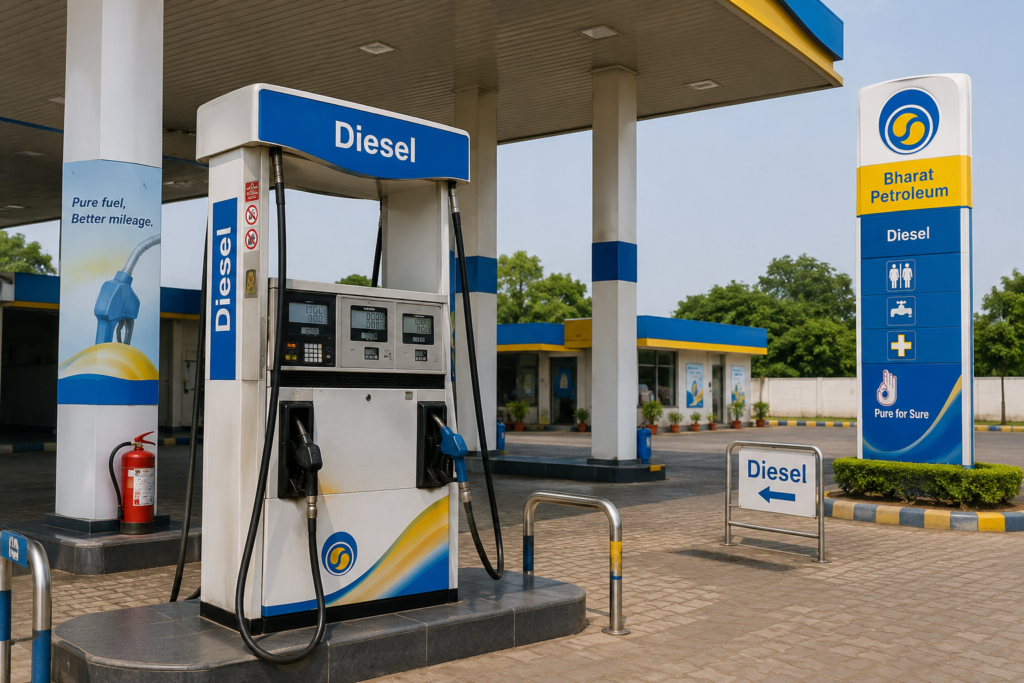
Petrol Pump AI Image.
The global oil industry is witnessing one of its most profitable periods for refiners in years. While crude oil prices have remained relatively stable compared to earlier spikes, companies that convert crude oil into gasoline, diesel and jet fuel are earning record profits because the value of refined fuels has risen much faster than the cost of crude oil. Recent market data shows refining margins reaching historic highs as fuel supplies remain tight worldwide.
What Are Refining Margins?
A refining margin is the difference between:
- The price paid for crude oil.
- The price earned by selling refined products such as petrol, diesel, aviation fuel and other petroleum products.
For example:
- A refinery buys crude oil for $70 per barrel.
- After processing, the refined fuels may generate $120–130 in revenue.
- The difference, after accounting for operating costs, becomes the refinery’s profit.
The wider this gap becomes, the more profitable refining operations are.
Why Are Refiners Making Record Profits?
1. Fuel Supply Is Much Tighter Than Crude Supply
Although crude oil production has remained relatively stable in many regions, refining capacity has become constrained due to refinery outages, geopolitical disruptions and years of underinvestment in new refining projects. That has reduced supplies of gasoline, diesel and jet fuel while demand remains strong.
2. Geopolitical Tensions Have Disrupted Fuel Markets
Conflicts affecting energy infrastructure and shipping routes, including disruptions linked to the Strait of Hormuz and attacks on refining facilities, have reduced the movement of refined petroleum products across global markets. These disruptions have pushed fuel prices higher even when crude prices have not risen proportionally.
3. Limited Global Refining Capacity
Many countries closed older refineries during the pandemic, while environmental regulations and the transition toward cleaner energy discouraged investment in new facilities.
As a result:
- Fewer refineries are available.
- Existing plants are operating near maximum capacity.
- High demand allows refiners to charge higher prices for fuel.
4. Strong Seasonal Fuel Demand
Summer travel, aviation demand and freight transportation continue to support strong consumption of gasoline, diesel and jet fuel, keeping refinery utilization rates elevated.
Why Aren’t Crude Oil Prices Rising as Much?
Crude oil markets remain supported by production from major producers, while strategic reserves and supply adjustments have prevented the same level of price surge seen in refined fuels.
In simple terms:
- Crude oil supply is relatively healthier.
- Refined fuel supply is much tighter.
This imbalance is pushing refining margins to record levels.
Who Benefits?
The biggest winners are companies operating large refining complexes.
These businesses earn higher profits by:
- Processing more crude oil.
- Exporting gasoline and diesel to regions facing shortages.
- Taking advantage of elevated international fuel prices.
Analysts expect many major refining companies to report significantly stronger earnings because of these exceptional margins.
What Does This Mean for Consumers?
For consumers, high refining margins often translate into:
- Higher petrol prices.
- More expensive diesel.
- Increased airline fuel costs.
- Higher transportation expenses.
- Rising inflation as logistics costs increase.
Even if crude oil prices remain stable, motorists and businesses may continue paying more because refined fuels remain scarce.
Impact on India
India is one of the world’s largest refining hubs and exports significant quantities of petroleum products. Strong global refining margins can boost earnings for Indian refiners and export revenues. However, sustained high fuel prices may also increase transportation costs and inflationary pressures, depending on domestic pricing policies and global market conditions.
The Bottom Line
The current oil market highlights that crude oil prices alone do not determine fuel costs. The real bottleneck is refining capacity. With global fuel supplies constrained by geopolitical disruptions, limited refining infrastructure and strong demand, refineries are earning some of the highest margins on record. Unless additional refining capacity comes online or supply disruptions ease, gasoline and diesel prices are likely to remain elevated even if crude oil prices stabilize.